
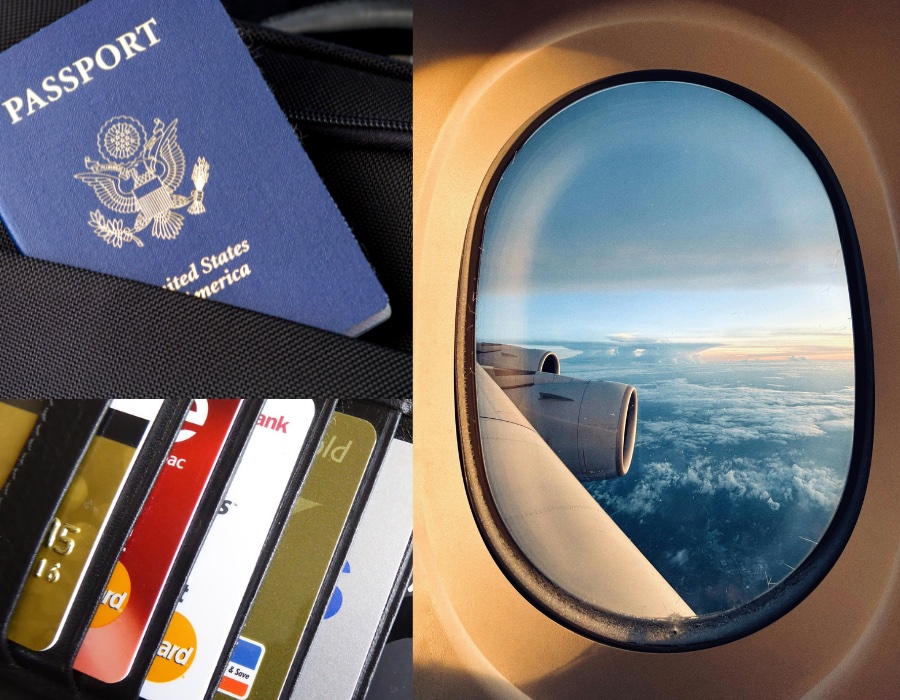

Most Arizona families never think about what happens to travel points after death when creating an estate plan.
But here is one asset people often forget:
Travel rewards.
Airline miles, hotel points, credit card rewards, companion passes, and loyalty perks can add up to real value. For some families, these rewards may be worth hundreds or even thousands of dollars.
So what happens to those points when you pass away?
The answer is not always simple.
Are Airline Miles and Credit Card Points Part of Your Arizona Estate?
Sort of.
Most travel rewards are not treated like normal property. You may think of them as “yours,” but airline miles, hotel points, and credit card rewards are usually controlled by the loyalty program’s terms and conditions.
That means the company decides things like:
- whether points can transfer after death
- whether a surviving spouse can use them
- what paperwork is required
- whether the account will be closed
- whether unused rewards are forfeited
In other words, your will or trust may not automatically control what happens to your travel points.
Why This Matters for Arizona Families
Many families do not realize how much value is sitting inside digital accounts.
A person may have:
- airline miles from years of travel
- hotel rewards from business trips
- credit card points from everyday spending
- cash-back rewards
- travel credits
- companion passes
If no one knows those accounts exist, that value may disappear.
Even worse, family members may not know where to log in, who to contact, or whether they are allowed to use the rewards.
That creates stress at an already difficult time.
What Happens to Airline Miles After Death?
Each airline has its own rules.
Some airlines may allow a transfer after death with the right documents. Others may not. Some programs reserve the right to decide case by case.
For example, some loyalty programs may ask for:
- a death certificate
- proof of authority from the estate
- account information
- a written request from the personal representative or trustee
Other programs may simply close the account and forfeit the rewards.
That is why families should not assume travel rewards will automatically pass to a spouse, child, or beneficiary.
What About Credit Card Rewards?
Credit card rewards can be even more complicated.
Some rewards may be redeemed as statement credits, travel, gift cards, or transfers to airline and hotel partners. But once the account holder dies, the card issuer may freeze or close the account.
If that happens before the family understands the rewards balance, those points may be lost.
This is especially important for married couples where one spouse manages most of the credit cards and travel accounts.
The surviving spouse may not know:
- which cards exist
- which accounts have points
- which logins are needed
- which points expire
- which rewards can be transferred
That is not just inconvenient. It can mean real value is lost.
Can You Leave Points or Miles in a Will?
You can include instructions in your estate plan about rewards accounts, but that does not guarantee the loyalty program must honor them.
Why?
Because many rewards programs say points are not traditional property and cannot be transferred except under their own rules.
Still, including instructions can be helpful.
Your estate plan can tell your trustee, personal representative, or loved ones:
- which rewards accounts exist
- where to find login information
- who you would like to benefit from those points
- what steps to take before accounts are closed
Good planning gives your family a roadmap.
Do Travel Rewards Belong in a Living Trust?
Usually, travel points themselves are not transferred into a trust the same way a home or bank account might be.
But your trust can still play an important role.
A well-organized estate plan can help your trustee locate accounts, understand your wishes, and act quickly.
If you are wondering what assets typically do belong in an Arizona living trust, we explain that here:
What Assets Belong in an Arizona Living Trust?
Common Mistakes Families Make
Here are some of the most common mistakes Arizona families make with travel rewards and digital accounts:
1. No One Knows the Accounts Exist
If your family does not know about the rewards account, they cannot ask about it.
2. Passwords Are Not Organized
Without access to logins, your family may not even know where to begin.
3. The Account Gets Closed Too Quickly
Sometimes families notify a company of death before understanding what happens to points or rewards.
4. Points Expire
Some rewards programs have expiration rules. If the family waits too long, the value may disappear.
5. No One Has Legal Authority
If you become incapacitated before death, your loved ones may need proper powers of attorney to help manage financial accounts and related matters.
Digital Assets Are Part of Modern Estate Planning
Travel rewards are part of a bigger issue: digital assets.
Modern estate planning should consider:
- email accounts
- password managers
- cloud storage
- online banking
- subscription accounts
- cryptocurrency
- travel rewards
- loyalty programs
These may not all be handled the same way legally, but they all matter practically.
Your family needs to know what exists, where to find it, and who has authority to deal with it.
Estate Planning vs. Estate Administration
Planning ahead is very different from trying to figure things out after someone has passed away.
Estate planning is what you do now to make things easier later.
Estate administration is what your loved ones may have to deal with after death.
The more organized your plan is now, the easier administration usually becomes later.
You can learn more about that difference here:
Estate Administration vs. Estate Planning in Arizona
Simple Steps to Protect Travel Rewards
You do not need to overcomplicate this.
Here are a few simple steps Arizona families can take:
- Make a list of airline, hotel, and credit card rewards accounts
- Keep account numbers and login information in a secure place
- Use a password manager
- Review loyalty program rules periodically
- Let your trustee or personal representative know where to find important information
- Consider using valuable points instead of letting them sit unused for years
- Review your estate plan regularly
What If You Own a Business or Use Business Credit Cards?
Business owners should be especially careful.
If you earn travel rewards through business credit cards, the account structure may matter. Some rewards may be tied to the business. Others may be tied to the individual cardholder.
If you own a business, it is wise to coordinate your estate plan, business structure, and financial accounts.
You can learn more about Arizona LLCs and asset protection here:
How an LLC Protects Your Assets in Arizona
Final Thoughts
Most people do not think about airline miles or credit card points when they think about estate planning.
But those rewards can have real value.
And without a plan, that value may be lost.
At LifePlan Legal AZ, we believe good estate planning is about more than documents.
It is about clarity.
It is about reducing stress.
It is about making things easier for the people you love.
Whether you are planning for your home, your bank accounts, your business, or even your travel rewards, thoughtful planning today can help prevent confusion tomorrow.
If you would like help creating or updating your Arizona estate plan, LifePlan Legal AZ is here to help.